Before describing the gap between parquetry and marquetry, it is likely worth defining just what is meant by each term. Not especially often used phrases in day to day speech, the majority of people have an idea of what’s intended by parquetry and marquetry, but the detail is well worth researching to allow the gaps to become apparent.
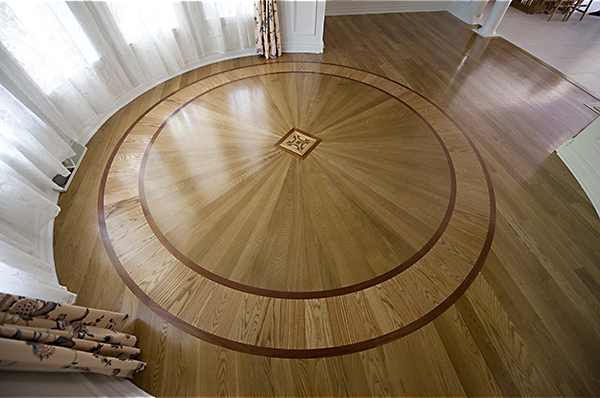
Parquetry, according to Wikipedia, is”a geometric mosaic of wood bits used for decorative effect”. Commonly utilized in both supplying and floors, parquetry dates back to the mid to late 1600’s and is famous because of it is highly routine, geometric patterns. Squares, triangles and lozenges, made out of blocks or strips of timber, are common parquetry types as are celebrities and sun forms. Nevertheless, the most typical form today is almost surely that the herringbone or chevron design.
These different colours, tones and grains of various species of forests add to the overall effect of the parquet flooring. At one time glued to the subfloor using hot bitumen, parquet floors are more commonly glued down with a chilly adhesive in contemporary day installations.
Marquetry is the term used to refer to the inclusion of pieces of veneer to furniture or flooring to make a decorative pattern, picture or design which sits on the surface of the original arrangement. Patterns in marquetry may be random or structured or may be real images of these things as people, animals or items. A method of decoration more commonly utilized in furnishings than flooring, marquetry is frequently confused with parquetry but is really very different. The main difference relates to the fact that marquetry is that the application along with a veneer into a smooth surface, whereas parquetry is that the production of a design or image that is made using strips or blocks of wood.
Another key difference between parquetry and marquetry can be found in the materials commonly used for every technique. In parquetry, wood is utilized throughout the design, albeit different species of timber and perhaps even solid wood and engineered wood. In marquetry the veneers used may well be timber, but will likely include the likes of tortoiseshell, mother of pearl, pewter or brass and (in years gone by) ivory and bone.

 Should you need to have a decision to put a new floor, you get a wide choice of flooring choices to select from. Why are hardwood flooring so widely suggested? But there are also other reasons in favor of choosing hardwood that you might want to Think about in the decision-making procedure:
 There are a whole lot of factors that go into choosing the right flooring and finish for the project. You might have engineered wood or solid hardwood for instance. If it comes to completed, you might go with a coating finish or penetrating oil finish.
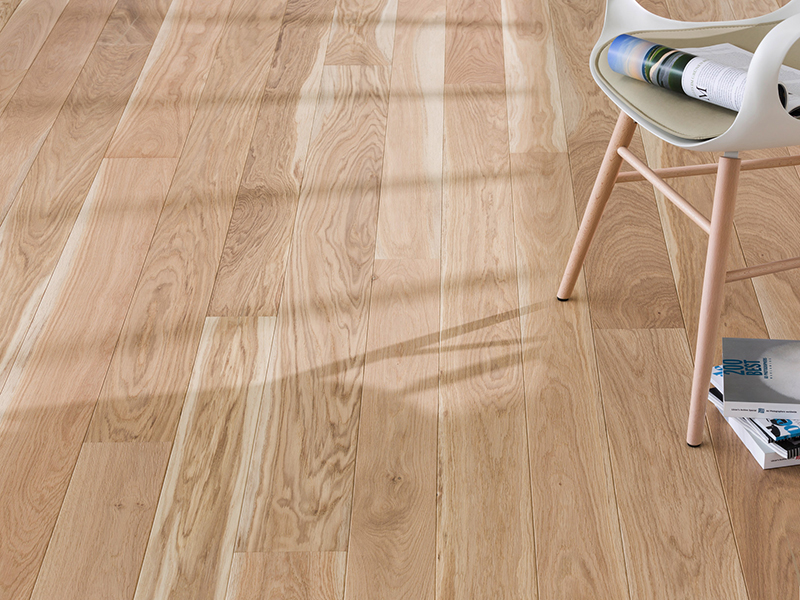 do the job just fine. But, natural oil finishes will increase that functionality to another level. Surface-level finishes remaining surface of the ground, while oils float and penetrate more completely. Surface finishes may also get additional durability, but you may have to add a few coats to get the identical level of protection.
 Hardwood flooring requires upkeep, regardless of what finish you utilize. Nevertheless, if you maintain your oil-finished floor correctly you will not need to re-sand. You should regularly clean the flooring using something that’s recommended by the manufacturer to maintain the finish looking lustrous. With the increased security, you will not need to repair your flooring as often, either.
 Sand 'n' Seal